Over 1,500 companies worldwide rely on WhereverSIM




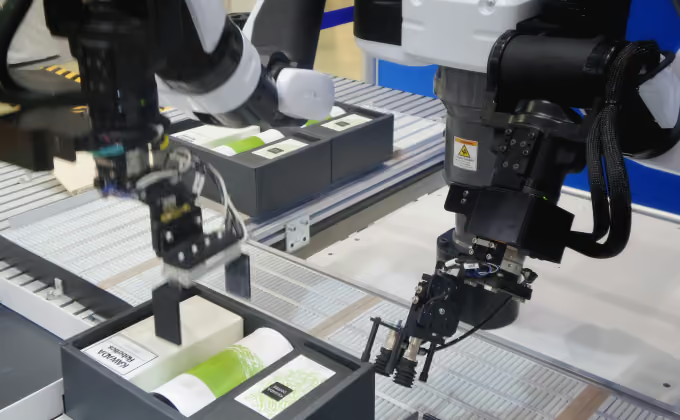
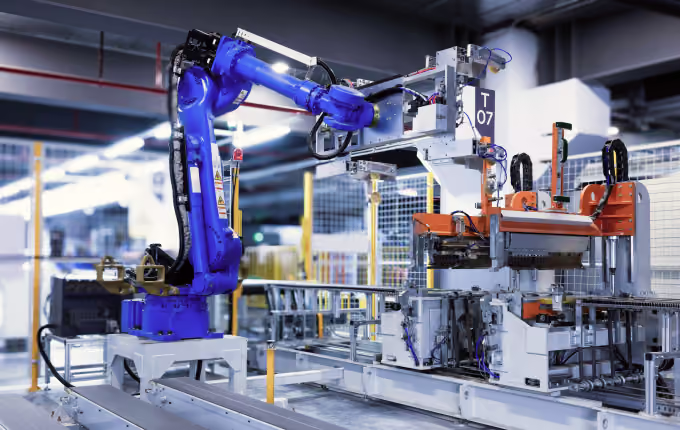
Whether autonomous mobile robots (AMRs), AGVs, cobots, or mobile machines: Modern robotics applications rely on a reliable and secure data connection. This is the only way to control and monitor robots in real time and integrate them into existing processes.
As soon as robots leave production halls, move between buildings, or are deployed on sprawling factory grounds, Wi-Fi usually reaches its limits. A stable cellular connection lays the foundation for reliable operation, regardless of the location.
With the right IoT SIM card, mobile robots stay reliably connected, no matter where they're deployed
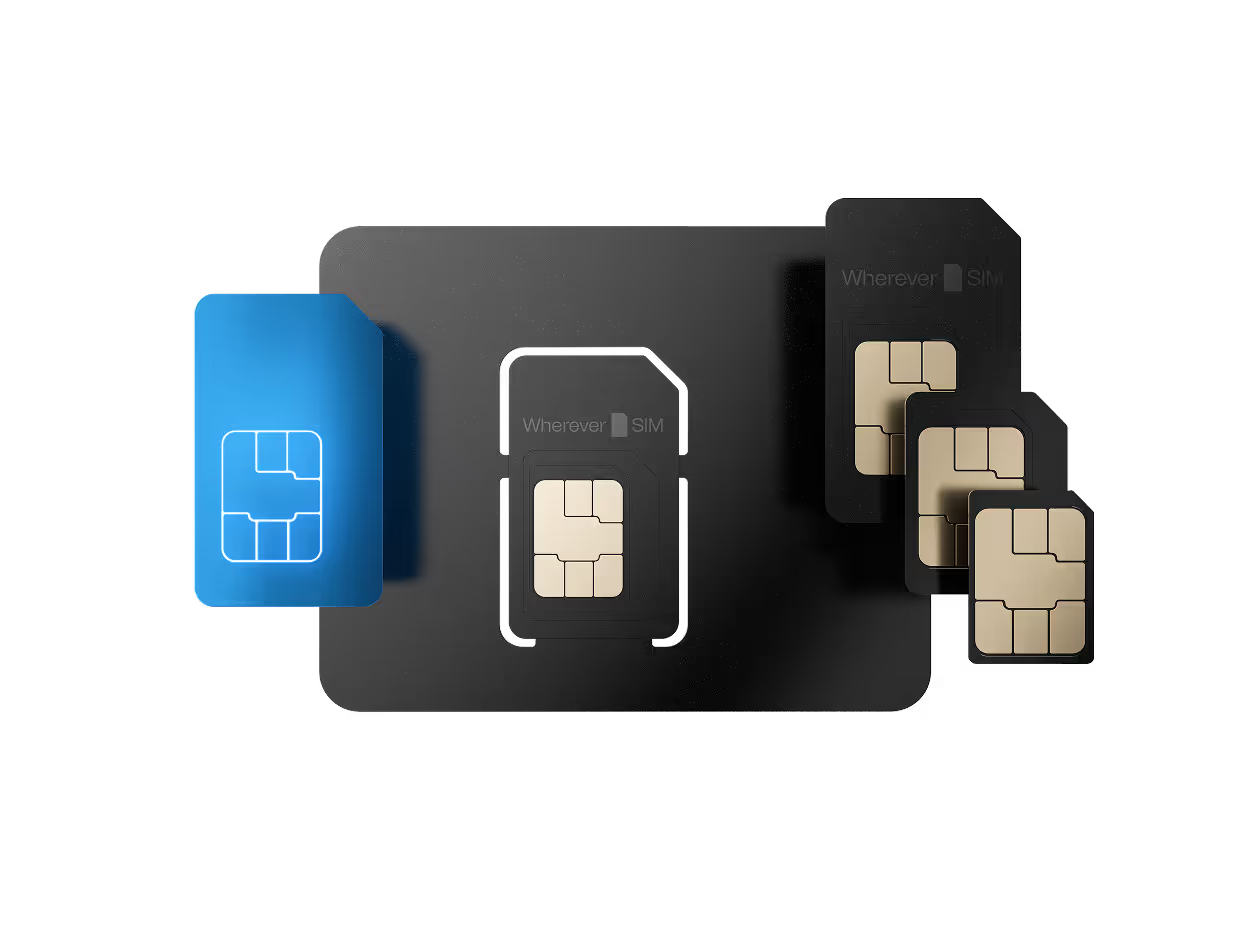
With WhereverSIM, you don't have to worry about network coverage, mobile carriers, or managing individual SIM cards—leaving you free to focus on what really matters.
Whether it's autonomous mobile robots (AMRs), automated guided vehicles (AGVs), cobots, or mobile machines, our M2M SIM cards provide everything you need for reliable connectivity.

Access to multiple mobile networks within a country (national roaming), e.g., in Germany: Telekom, Vodafone, and o2.

Thanks to network roaming, you always have access to the strongest mobile network in your location by default, regardless of the carrier.

>485 networks in over 189 countries for your M2M project. Near borders, devices automatically connect to networks in neighboring countries.

No throttling. The fastest possible local speed at all times.

As standard, our M2M SIM cards support data transmissions and SMS, voice calls on request.
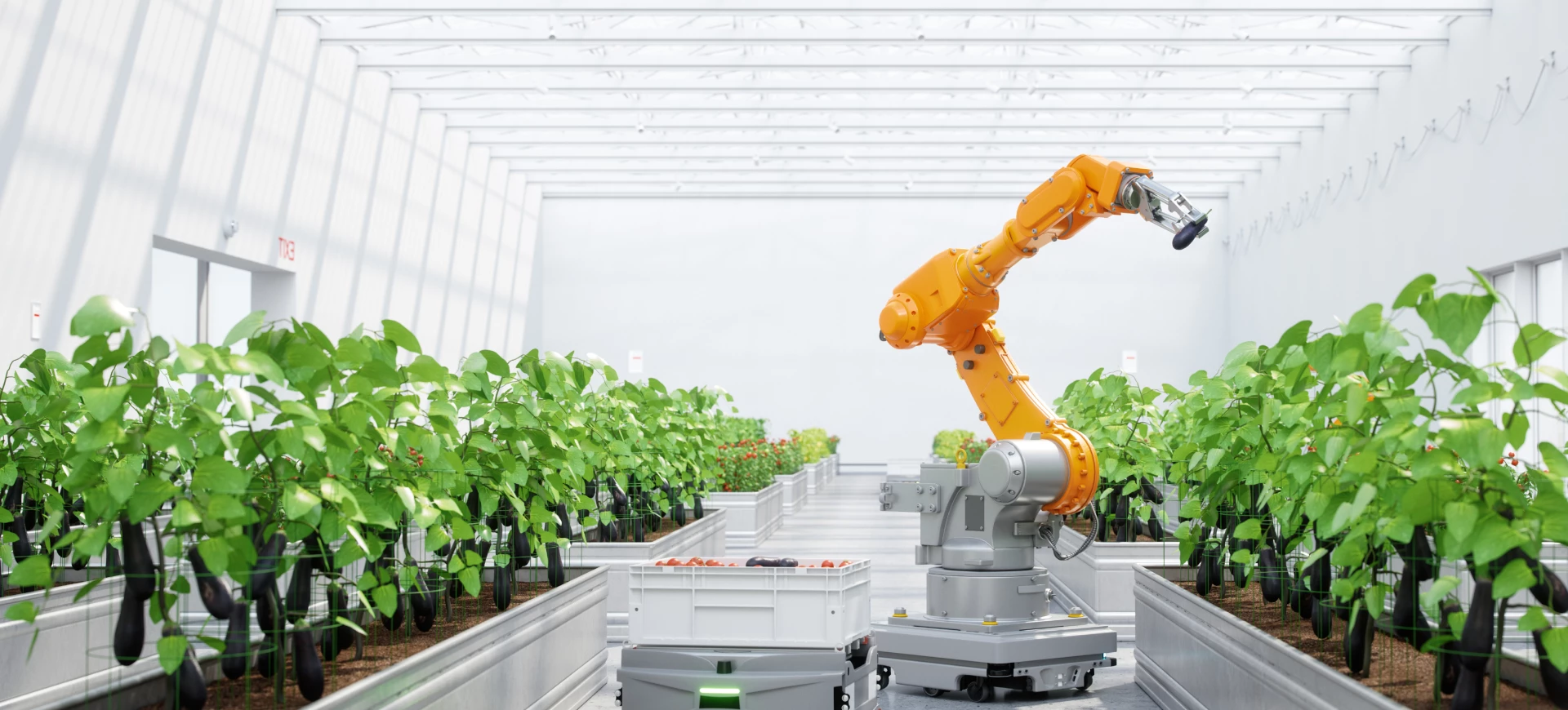
Our M2M SIM plays a crucial role in the use of robots. They enable seamless communication between devices, allowing robots to exchange data in real time and perform tasks precisely and efficiently. Whether industrial robots, cleaning robots or agricultural robots - no matter where in the world or in which area a robot is used, our IoT SIM card enables access to the best local network everywhere.
Real-time networking not only improves production processes, but also enables predictive maintenance and optimization of machines. This reduces downtime and increases overall productivity, making IIoT an essential part of modern industrial automation.


More than 20 years of experience, 100% focus on the customer, Hanseatic reliability. WhereverSIM stands for reliable and secure M2M SIM solutions in the field of robotics - from smart industrial robots to secure remote control of robotics applications.
With our M2M SIM cards, we support the secure growth of the IIoT. Together with strong international partners, we are continuously developing our services, always at the cutting edge of technology, always with our customers' needs in mind, always at eye level. Perfectly suited for Industry 4.0, autonomous robots and much more.

Competent service and support in and from Germany.

All services are hosted in Europe and are subject to the strictest data protection regulations.

With 2-factor authentication, you can protect access to your WhereverSIM portal.