Over 1,500 companies worldwide rely on WhereverSIM


Whether it’s patient monitoring, in-home emergency call systems, medical wearables, or mobile medical devices: connected medical technology relies on a reliable data connection. Only when devices communicate reliably can measurement values, status information, or alarms be made available where they are needed.
Connectivity becomes particularly challenging when devices are used on the go or change locations. At the same time, medical applications place exceptionally high demands on the secure transmission and management of data.
With the right IoT SIM card, your devices will stay reliably connected anytime, anywhere.

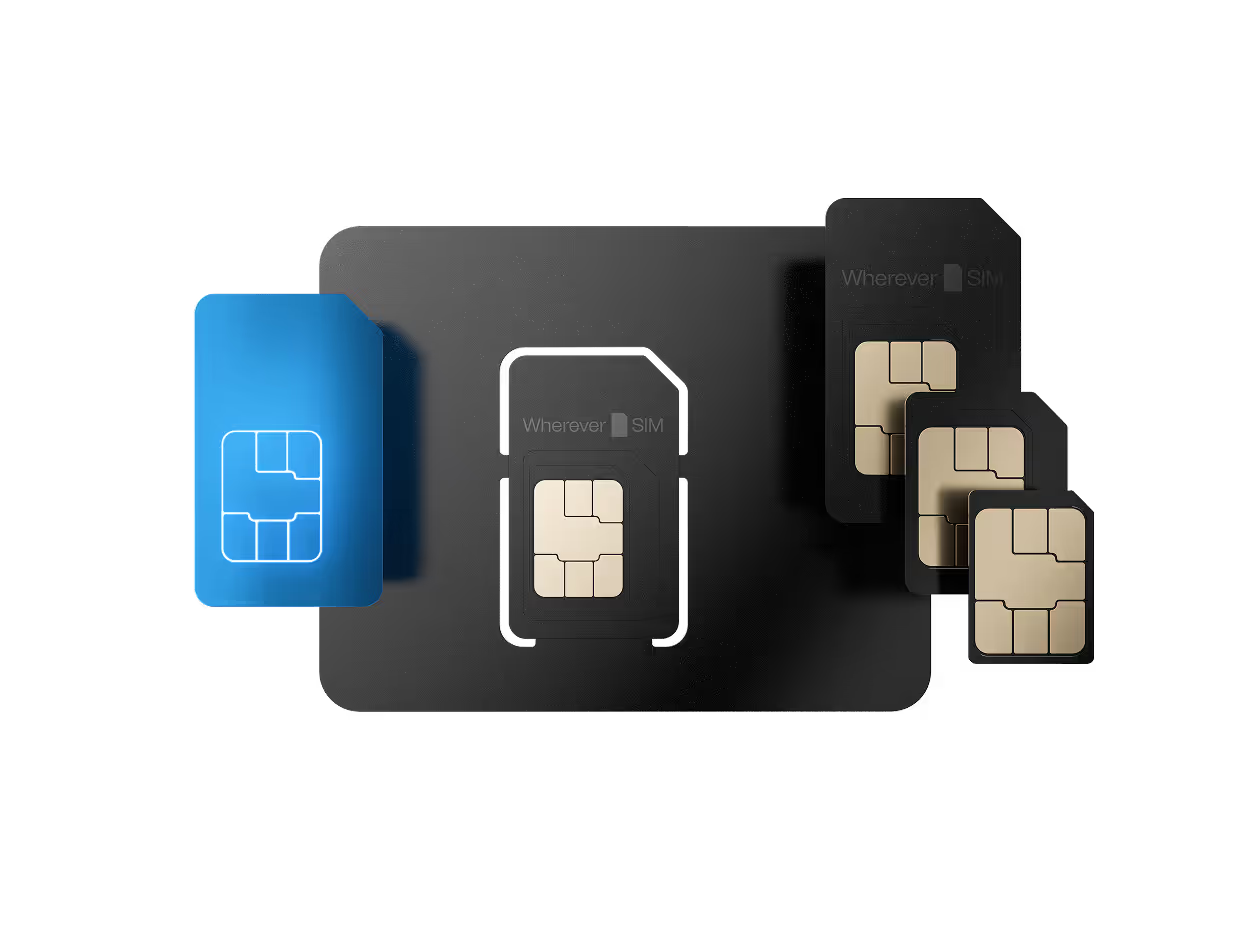
With WhereverSIM, you don't have to worry about network coverage, individual mobile carriers, or managing your SIM cards. We'll ensure your devices have the right mobile connectivity so you can focus on your medical application.
Reliably connected, securely managed, and flexibly scalable. From a single device to an international rollout.

Access to multiple mobile networks within a country (national roaming), e.g., in Germany: Telekom, Vodafone, and o2.

Thanks to network roaming, you always have access to the strongest mobile network in your location by default, regardless of the carrier.

>485 networks in over 189 countries for your M2M project. Near borders, devices automatically connect to networks in neighboring countries.

No throttling. The fastest possible local speed at all times.

As standard, our M2M SIM cards support data transmissions and SMS, voice calls on request.
From the optimization of clinical processes to the further development of smart healthcare devices and the safeguarding of vaccine and drug cold chains: The Internet of Things has arrived in the healthcare sector. Medical wearables help to provide health data, while digital care assistants support interaction between and with patients.
Our M2M SIM cards in smart medical technology ensure the right connection so that all important data is available anytime and anywhere. Health data can be provided in real time via mobile communications, enabling quick decisions to be made.

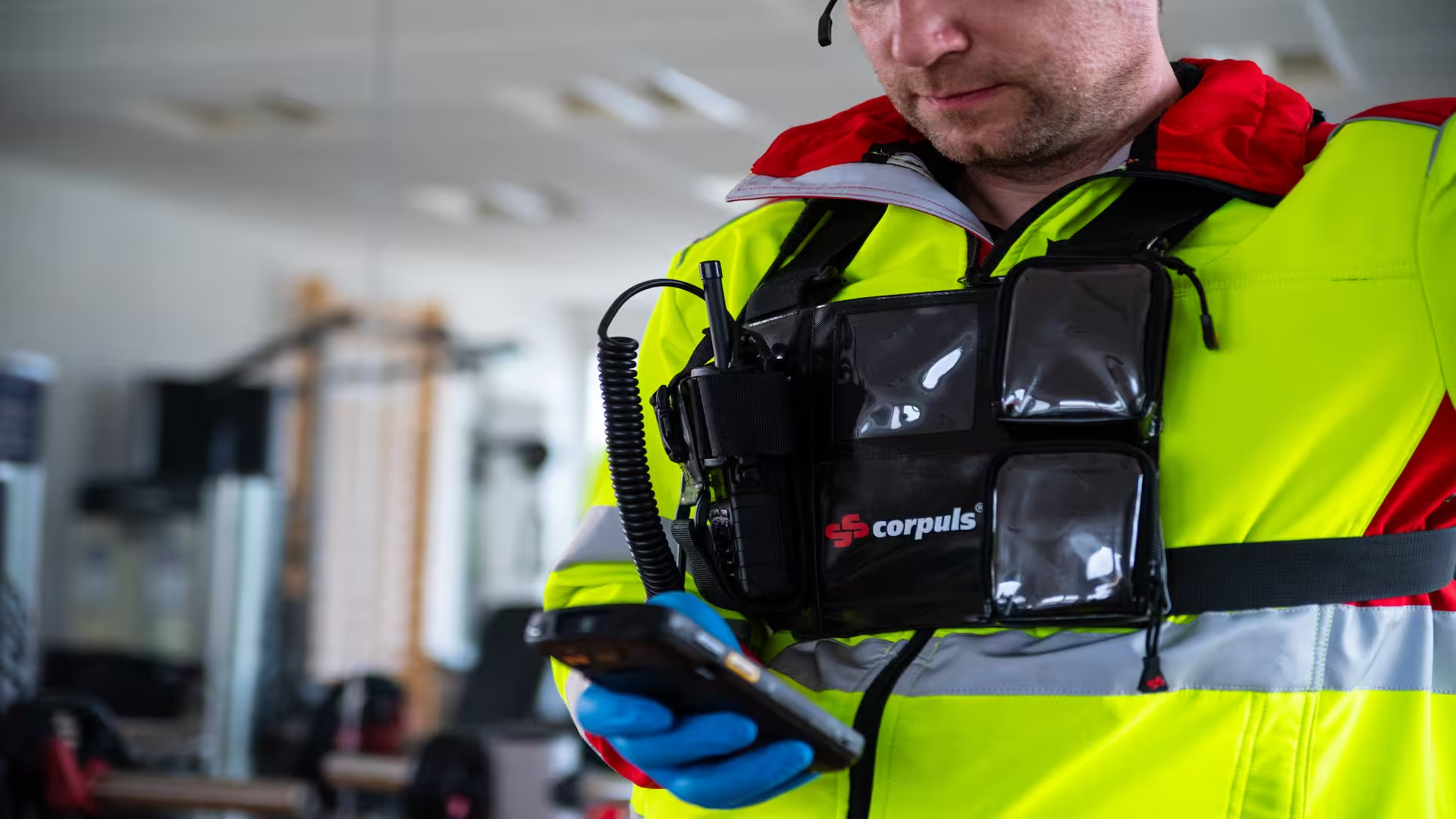
More than 20 years of experience, 100% focus on the customer, Hanseatic reliability. WhereverSIM stands for reliable and secure M2M SIM solutions in the healthcare sector - from smart patient monitoring to asset management in clinics.
We support medical professionals and technology providers with our M2M SIM card for seamless monitoring and control of their machines and systems. Together with strong international partners, we are continuously developing our services, always at the cutting edge of technology, always with our customers' needs in mind, always at eye level. Perfectly suited for smart medical technology, digital patient care and much more.

Competent service and support in and from Germany.

All services are hosted in Europe and are subject to the strictest data protection regulations.

With 2-factor authentication, you can protect access to your WhereverSIM portal.